Saturday, 26 October 2019

प्रजा का, प्रजा के लिए, प्रजा के द्वारा बनाया गया तंत्र....!!

107th BLOG POST -->>

हरियाणा तथा महाराष्ट्र राज्यों में हुए विधानसभा चुनावों के परिणाम से जो बात मुझे स्पष्ट हुई वो ये है कि हम लोगों की समझ लोकतांत्रिक रूप से परिपक्व हो रही है। नागरिकों ने एक ऐसा जनादेश दिया जिससे दोनों प्रमुख दल, क्षेत्रिय दल और उनके नेता अब जनता जनार्दन को ग्रांटेड नही ले सकते। दोनोँ राज्यों की प्रजा ने अपने जनादेश से यह स्पष्ट कर दिया है की जनता को अब सिर्फ़ चुनाव के समय ही महत्वपूर्ण मानने की भूल ना की जाए।

लोकतंत्र में जितना महत्व पक्ष का होता है उतना ही महत्व विपक्ष का भी होता है,  हरियाणा की जनता ने इस बार बिलकुल उचित अनुपात में पक्ष और विपक्ष को शक्तिसंपन्न किया है। पक्ष को सिर्फ़ उतनी ही शक्ति दी जिससे वह अहंकार से ग्रस्त ना हो व विपक्ष को भी सिर्फ़ उतनी ही शक्ति दी जिससे वह कुंठा से ग्रस्त ना हो, क्योंकि समाज के लिए जितना घातक अहंकार होता है उतनी ही घातक कुंठा भी होती है। जनता जनार्दन ने ना तो एक पक्ष पर स्वयं को न्योछावर किया और ना ही दूसरे पक्ष को अपनी अरुचि का केंद्र बनाया। ये ठीक वैसे ही हैं जैसे परिपक्व और कुशल माता पिता इस बात को बहुत अच्छे से जानते हैं की माता पिता का अत्यधिक लाड़ प्यार हो या अत्यधिक उपेक्षा, दोनों ही संतान को बिगाड़ने का काम करते हैं और संतान का बिगड़ना पूरे परिवार के लिए अकल्याणकारी होता है। लोकतान्त्रिक देश में प्रजा, तंत्र की पालक होती है। प्रजा ने इस बार एक कुशल माता पिता के जैसा सटीक निर्णय लिया जिससे लोकतंत्र अपने मूल स्वरूप को प्राप्त कर समाज के कल्याण का हेतु बने क्योंकि ये प्रजा का, प्रजा के लिए, प्रजा के द्वारा बनाया गया तंत्र होता है। और यहीं हिन्दुस्तान के लोकतंत्र की कसोटी हैं

हर दल को लगता है की वही देश और राज्य के लिए सबसे अच्छा सोच रहा है। जैसा की हम लोकतांत्रिक व्यवस्था में रहते हैं इसलिए स्वाभाविक है कि हम सभी की दलों और नेताओं को लेकर अपनी अपनी प्राथमिकताएँ हैं। चुनाव के दोरान सोशल मीडिया साइट्स पर नेताओं और उसके समर्थको, मान्यताओं, विचारधारा और संस्कृति के बारे में काफी लोगों के कई कडवे पोस्ट पढने और सुनने को मिले। किसी दल का समर्थन करने या समर्थक होने पर दुसरे दलों का सम्मान करना चाहिए। किसी व्यक्ति या विचार का मज़ाक़ उड़ाना, और उससे मज़ाक़ करने के बीच के अंतर का ज्ञान हमें होना चाहिए। इसलिए सोशल मीडिया पर ऐसे फ़ॉर्वर्ड संदेशों को जो किसी व्यक्ति, किसी मान्यता, किसी धारणा, किसी संस्कृति का भद्दा मज़ाक़ उड़ाते हैं उनको साझा करने से हमें बचना चाहिए क्योंकि इससे अंत में हमें पता चलता है कि हम स्वयं को ही स्वयं के हाथों ज़ख़्मी कर रहे हैं।

किसी व्यवस्था, व्यक्ति या नीति पर चोट करने के शालीन, भद्र और मारक तरीक़े भी हैं, पर हमारा भारत श्रद्धावान, विश्वासी, आस्थवान, प्रबुद्ध और सुसंस्कृत लोगों का देश है इसलिए यहाँ के लोग असहमति और अशिष्टता के बीच के अंतर को बख़ूबी समझते हैं, प्रत्येक भारतवासी यह जानता है कि अशिष्टता पूर्वक सहमत होने से कहीं अधिक कल्याणकारी शिष्टता पूर्ण असहमति होती है। बाकी राजनीतिक दलों से जिनके श्रधेय जीते हैं उनको मेरी और से हार्दिक बधाई विचारों में भिन्नता हो सकती है मनों में नहीं ।

मेरी कही बात आप सब माने, आपको उचित लगे यह आवश्यक नहीं पर आप इस पर गंभीरतापूर्वक विचार अवश्य करेंगे यह मेरा विश्वास है। अंत में एक बिना माँगी सलाह उन चुने हुए विधायकों के लिए जिन्हें समाज ने अपनी शक्ति से सम्पन्न किया है- किसी अन्य को अहंकार से मुक्त होने की सलाह देते समय इस बात का ध्यान रखिए कि हम स्वयं भी अहंकारी ध्वनित ना हों क्योंकि अहंकार की प्रकृति बहुत विचित्र होती है, जहाँ दूसरे का अहंकार हमें तुरंत दिखाई दे जाता है वहीं स्वयं का अहंकार हमें कभी दिखाई नहीं देता हैं। वैसे भी राजनीति में अहंकार सब में नहीँ होता हैं इसलिए सबको एक तराजू में नहीँ तोलना चाहिए राजनीति में अच्छे राजनेता भी बहुत हैं


सादर प्रणाम, जय हो ।
Parveen Kumar Sahrawat

Saturday, 13 July 2019

धीरे धीरे से....

106th BLOG POST -->>


धीरे धीरे से रात को बढ़ने दो धीरे धीरे से चाँद को जगने दो खुले आकाश में सितारों की झिलमिल से धीरे धीरे से आकाश को सजने दो... धीरे धीरे से पेड़ पौधों को सोने दो धीरे धीरे से गर्म हवाओं को लहराने दो... अंधेरी रात में झींगुरों की झनझनाहट से धीरे धीरे से फ़िज़ा में संगीत बजने दो... धीरे धीरे से नींद को इंतजार करने दो धीरे धीरे से सपनो को बहकने दो... आज की इस खूबसूरत अर्ध प्रकाशमयी रात को धीरे धीरे से सुबह से गले मिलने दो....!!
Written By: Parveen Kumar Sahrawat

धीरे धीरे से रात को बढ़ने दो
धीरे धीरे से चाँद को जगने दो
खुले आकाश में सितारों की झिलमिल से
धीरे धीरे से आकाश को सजने दो...
धीरे धीरे से पेड़ पौधों को सोने दो
धीरे धीरे से गर्म हवाओं को लहराने दो...
अंधेरी रात में झींगुरों की झनझनाहट से
धीरे धीरे से फ़िज़ा में संगीत बजने दो...
धीरे धीरे से नींद को इंतजार करने दो
धीरे धीरे से सपनो को बहकने दो...
आज की इस खूबसूरत अर्ध प्रकाशमयी रात को
धीरे धीरे से सुबह से गले मिलने दो....!!


Saturday, 20 April 2019

Rajasthan : The Land of Maharajahs Where Every Street Sings “Padharo Mhare Des”

104th BLOG POST -->>

In Rajasthani Turban Style.


When every corner, every street sings “Padharo Mhare Des” for you, you know you are in royal state of Rajasthan. Rajasthan is a treasure trove of history and one can spend years trying to unearth its hidden gems. Every time I visit a new place, I get blown in air with the history, architecture, culture, tradition and beauty of the place. There is no beauty without any color. Most of the places in India we will found different colors in different places with different culture, tradition etc.

Rajasthan is widely recognized for its charming and elegant colorful turbans. And here wearing a traditional is always special. An important component of the Rajasthani attire is the turban. It’s a headdress worn by men in Rajasthan as well as other parts of the Indian subcontinent and needs to be tied manually. Rajasthani turban is also known as safa, paag or pagri. They vary in style, color and size.

Later I come to know that style, color and size also indicate a wearer’s social class, caste, region and the occasion it being worn for. Its shape and size may also vary with the climate conditions for the different regions. Generally Turbans in the hot desert areas are large and loose and initially worn to escape the harsh sun and later on becoming a status symbol, over a thousand styles of turban tying exist all over Rajasthan. The fabric used is mostly colorful tie dyed or printed cotton bandhani which forms dots on the fabric or lehariya identified by wavy lines all over fabric.

Some other popular turbans are, Panchrangi turban is originally worn by Rajputs. Langas is weared by musician. And popularly they are known as Langas the musician. Joudhpuri safa is popular choice of our hon’ble PM Narendra Modi. Camel herder community also known as rebari men are wearing entangled huge turban. In Rajasthan and at some places of Gujarat, originally people started to wear a turban like cloth to keep their head cool. The cloth was kept soaked in water overnight and tied in morning. It was a way of escaping from the harsh and scorching heat of sun in the hot climate of desert…  Later on it goes on becoming the symbol of status.

Front View of Hawa Mahal, Jaipur
I visited the capital city of Jaipur many times, which is famous as, ‘Pink City’. The local people made me acknowledged about this fact that the name of the city is as such because here each and every house, office and institution are coloured in pink hue and I also watched it but the it's in only main jaipur and ancient area. Outer palace connected to ancient jaipur is not like pink city, there are normal buildings as like are in other city of india. The splendid architectural grandeur of Hawa Mahal, City Palace, Jantar Mantar, Nahargarh Fort and the serenity of other places spellbound me totally. Besides, I came across a marvelous blending of the Mughal and Rajput cultures in Jaipur city which add more to my vacationing experience.
Glimpse of The Gateway to Thar, Rajasthan

A Land of Maharajahs (Kings), Rajasthan is adorned with several man-made wonders. A visit to the forts and monuments of Rajasthan in really a fantastic experience. In fact, when you visit the forts and monuments you feel that you have been transferred to a bygone era.  Next time I'm trying to visit Bhilwara and Chittorgarh. I received invitation to visit these places many times from Bhilwara based friend Rohit Bishnoi. This time I missed this opportunity to visit these places including marriage at his home.

Too tired.. clicked after 10 hours visit... On The Road of the Gateway to Thar, Rajasthan

See you soon bye….!!
Parveen Kumar Sahrawat

Saturday, 6 April 2019

Duties of The Media, Peoples, Political Parties, Ruling Party and Opposition Parties in Democracy.

103rd BLOG POST -->>

Parveen Kumar Sahrawat
At Museum of History of Indian Democracy.
           चुनाव के महापर्व में सभी मित्रोँ को भारतीय नववर्ष चैत्र शुक्ल प्रतिपदा विक्रमी संवत् २०७६, उगादिगुड़ी पड़वा, चैती चांद, नवरेह, वैशाखी, और साजिबू चेरोबा की हार्दिक शुभकामनाएं। आप सभी के लिए नवसंवत्सर समृद्धि, ख़ुशहाली और सफलता से परिपूर्ण हो। आइए, नवीन उत्साह व ऊर्जा के साथ राष्ट्र निर्माण की प्रक्रिया में अपना सक्रिय योगदान देने का संकल्प लें।

इस देश की जनता भारत की भाग्यविधाता है। एक समझदार व्यक्ति की लोकतंत्र के माध्यम से चुने हुए सत्तारूढ़ एवं सत्ताच्युत व्यक्तियों के समूह से सदैव यही अपेक्षा होती है कि वह देश तथा समाज के सर्वांगीण विकास के साथ साथ आर्थिक एवं सामाजिक समरसता बनाएं रखे एवं देश के विकास तथा सुरक्षा के मसलों पर व्यक्तिगत ना होकर देशहित में एकमत से निर्णय लेकर कार्य करें तभी लोकतंत्र सही मायने में सफल माना जाता है।

आज मीडिया और सोशल मीडिया ने लोकतंत्र को बहुत हद तक प्रभावित किया है। आजकल ये चिंता का विषय है कि मीडिया खबरो का जिस तरह प्रस्तुतिकरण करता है और जिस भाषा का उपयोग राजनीतिक पार्टियों के लिए करता है, इस पर विश्लेषण करने कि आवशकता है क्योंकि इन सब से सबसे ज्यादा प्रभावित होती है युवा पीढ़ी जिसे अभी अपने इतिहास का पूरी तरह से ज्ञान नहीं है वह मीडिया से प्राप्त ज्ञान को ही अपना ज्ञान समझते हैं और उसके आधार पर झूठ को सच मान कर अपनी बात पर अड़ जाते हैं।

मीडिया अक्सर अपनी ख़बरों में जिस राजनीतिक दल की सरकार होती है उसे रूलिंग पार्टी कहता है, और जो दल सरकार में नही होता उसे ऑपज़िशन कहकर सम्बोधित करता है। कभी-कभी उन्हें पक्ष-विपक्ष के नाम से भी पुकारता है और हमें लगातार सुनने को मिलता है की फ़लाँ दल सत्ता में है और फ़लाँ दल सत्ता में नही है। जबकि देखा जाए तो सभी राजनीतिक दल देश, समाज और विकास के पक्ष में होते हैं, तो फिर विपक्ष में होने का अर्थ क्या हुआ ? तो क्या किसी भी राजनैतिक दल को जो बहुमत वाले दल के पक्ष में ना हो, उसे देश के विपक्ष में होना माना जाएगा ? यदि ऐसा होता तो जनता बारी-बारी से हर पक्ष को राष्ट्र के निर्णय, नीति, और नियति के निर्माण का अधिकार नही देती। बहुमत में नही होने का अर्थ सत्ता में ना होना नही होता है क्योंकि लोकतंत्र में देश के कल्याण के लिए दल होते हैं, दलों के कल्याण के लिए देश नही होता है । इसलिए ये सारे विशेषण लोकतांत्रिक व्यवस्था में उपयुक्त नही है, क्योंकि लोकतंत्र में हम पर किसी एक व्यक्ति का शासन (Ruled by) नही हैं,  हम पर प्रजा द्वारा चुने हुए पार्टी के उमिद्वारो का शासन होता हैं।

किसी एक व्यक्ति का शासन (Ruled by) वाली भाषा तब उचित थी जब हमारे यहाँ राजे महाराजे हुआ करते थे, या तब जब हम ग़ुलाम थे जब भारत ब्रिटेन का उपनिवेशदेश हुआ करता था। किंतु अब हम स्वतंत्र हैं तो हम सबको और हमारी पत्रकारिता वाले मीडिया को भी शब्दों के अर्थ और उनका महत्व समझते हुए अपनी भाषा में सुधार करने की ज़रूरी है, क्योंकि ये निश्चित है कि जब तक हमारी भाषा नही बदलेगी तब तक हमारे अंदर के भाव भी स्वतंत्रता की आभा से नही दमकेंगे, और हम सब स्वतंत्र होते हुए भी परतंत्र के जैसा आचरण करते रहेंगे, हम सब लोकतंत्र में रहते हुए भी राजतंत्र के प्रभाव से भरे रहेंगे। यही कारण है कि जो स्वतंत्रता के इतने वर्षों बाद भी हम रक्षण नही आरक्षण पर विचार करते हैं। जबकि स्वतंत्रता का अर्थ निर्भर नही, आत्मनिर्भर होना है। हम सब को इस सोच को बदलने कि आवश्यकता हैं।

लोकतंत्र मे व्यक्ति नही, व्यवस्था सर्वोपरी होती हैं, पर कभीकभार लगता है कि व्यवस्था अव्यवस्थित हो गई हैं। अगर संचालक मंडल और नियंत्रक मंडल की भावना के अनुरूप पक्ष और विपक्ष दल कार्य करें तो वह दिन दूर नहीं जब रामराज्य स्थापित हो जाएगा और हमारे देश के लोग आज़ादी के इतने सालों बाद भी आरक्षण ,जाति प्रथा, रोजगार, सबको शिक्षा जैसे मुद्दों पर न अटके हुए होते । बीते दिनों में जिस तरह कि गिरावट भाषा और भाव के क्षेत्र में देखने को मिली है वह नहीं होती ।

इस देश के लोगों को याद रखने योग्य बात ये है कि लोकतंत्र में शासन नही प्रशासन का महत्व होता है, इसमें व्यक्ति नही, व्यवस्था सर्वोपरी होती है, इसलिए रूलिंग पार्टी और ऑपज़िशन पार्टी कहना उचित नही होगा। लोकतंत्र में गवर्निंग पार्टी अर्थात संचालक मंडल और कंट्रोलिंग पार्टी यानि नियंत्रक मंडल कहना अधिक उपयुक्त होता है। जिस दल के पास बहुमत है उसका कर्तव्य व्यवस्था को संचालित ( गवर्न ) करना होता है, और जिन दलों के पास बहुमत नही है उनका दायित्व होता है की वे संचालक मंडल को नियंत्रित ( कंट्रोल ) करने का कार्य करें जिससे वे जनता जनार्दन द्वारा दिए गए अधिकारों का सदुपयोग कर राष्ट्र की प्रगति में सहायक हों। लोकतंत्र में गवर्निंग पार्टी और कंट्रोलिंग पार्टी को अलग-अलग विचारधाराओं के पोषक होने के बाद भी एक दूसरे का बाधक नही साधक होना अनिवार्य होता है क्योंकि सबका हेतु एक ही होता है और वो है- जनकल्याण, राष्ट्रकल्याण, विकास और प्रगति।

धन्यवाद् 
प्रवीन कुमार सहरावत
☺️☺️

Friday, 8 February 2019

National Bonsai Park- Classical and Non Classical Bonsai Plants with Variosu Styles

102th BLOG POST -->>

Sahrawatism blog
Entrance View of Bonsai Park
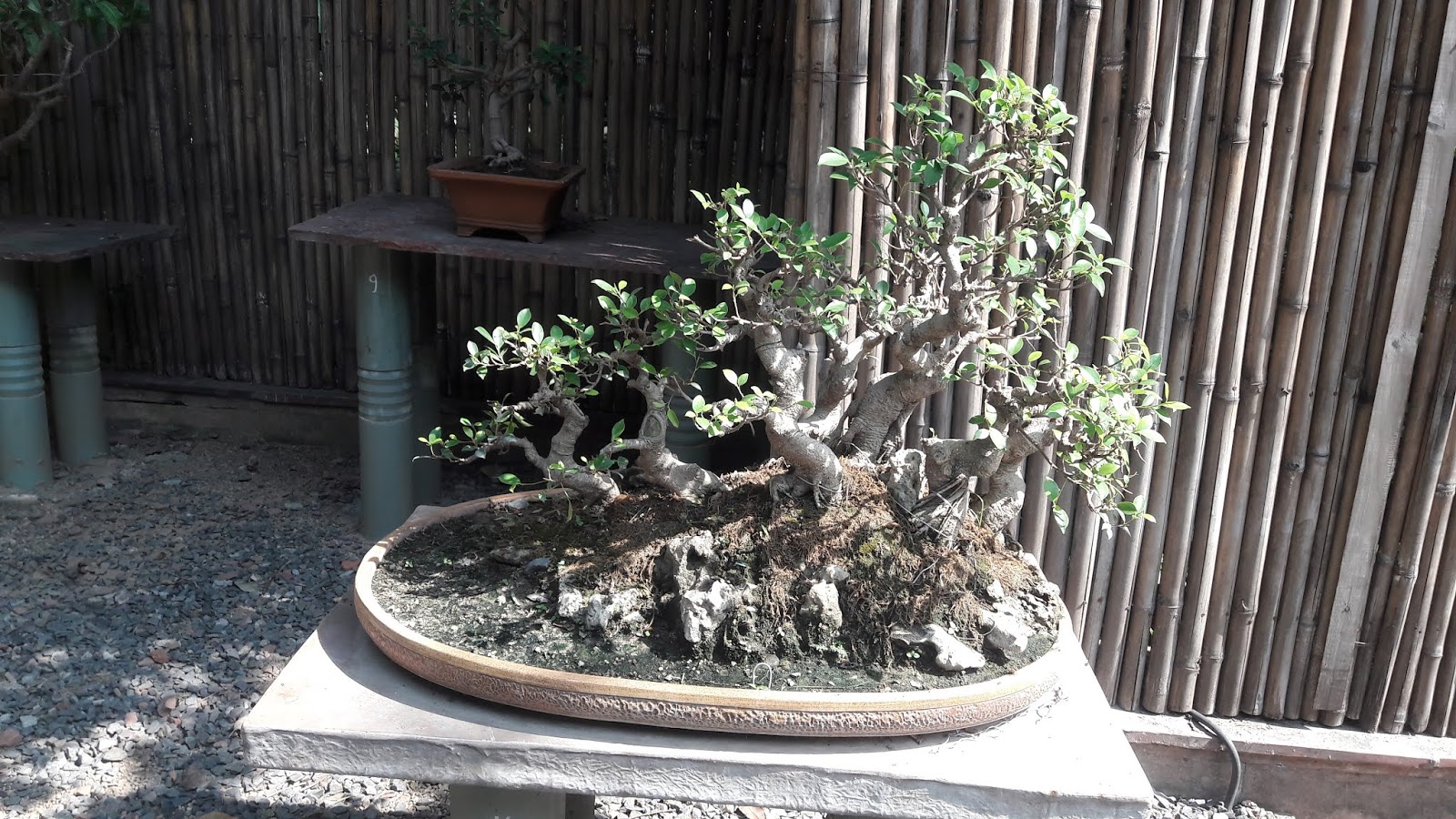
National Bonsai Park is quite well known as an urban natural park in the heart of Lutyens Delhi. It is open for visitors; I’ve visited two times to this park which naturally always increased my curiosity. So, it was a lucky day in spring for me last year, when on one of my walks through the park and I had my camera of some good quality with me, I saw this National Bonsai Park of Lodhi Garden. Sometimes some Bonsai Associations are holding an exhibition here. The visit to National Bonsai Park turned out to be a world of miniature wonders for me.
Sahrawatism Blog
Multiple Pots on a Pole Before Entrance

The National Bonsai Park is located near to the main entrance path of Lodhi Garden, though the enclosure. On any exhibition day, it is nicely decorated. I spotted Zen Garden as soon as I entered inside the park with some other interesting bonsai plants. Banyan tree was a fascinating sight as barring its size, it looked like a real old Banyan tree. Not only there were single bonsai plants, but thematic gardens and forests, all made out of a cluster of bonsai plants. I could only imagine the ingenuity, patience and hard work of the bonsai masters who created and nurtured these plants for many years.

Here I take a lot of photos. Some pictures are sharing here. A few plants and trees I've seen somewhere roadsides and some plants were very interesting that I've bought my home years age but I's not know the name of plants and their style. It was first experience that I've learned about species of plants and their growing style. Here with exhibition, all details were displayed. I've searched a lot on internet about these plants and their style after going to home. I'm sharing some information about its style with I captures images at Bonsai Park. When I reached here garden's workers were watering and cutting at main entrance. A sign board with name Bonsai National Park is placed with a pole on the top of which many beautiful pots of plats were placed with lights. 

National Bonsai Park Sahrawatism article
Creative planting with pots on a Pole
Slanting Bonsai Style:
This style is also known as Shakan . As a result of the wind blowing in one dominant direction or when a tree grows in the shadow and must bend toward the sun, the tree will lean in one direction. With Bonsai, the leaning style should grow at an angle of about 60 - 80 degrees relative to the ground. The roots are well developed on one side to keep the tree standing. On the side toward which the tree is leaning, the roots are clearly not as well developed. The first branch grows opposite the direction of the tree, in order to create a sense of visual balance. The trunk can be slightly bent or completely straight, but still be thicker at the bottom than at the top.
Parveen Kumar Sahrawat
Khirni Plant- A species of Slanting Bonsai Style

Ficus is a pan-tropical genus of trees, shrubs and vines occupying a wide variety of ecological niches; most are evergreen, but some deciduous species are endemic to areas outside of the tropics and to higher elevations. Fig species are characterized by their unique inflorescence and distinctive pollination syndrome, which utilizes wasp species belonging to the family Agaonidae for pollination.
          Ficus plant has many species with different style. Some species I captured are posted below :


  In above picture left plant is of Ficus Benghalensis Banyantree (Barth) which has Informal Upright Style and right side plant is of  Ficus Virens (Pilkhan).

Ficus Tsiela
Indian tree in the family Moraceae; contains an unidentified toxin which causes hepatitis and hepatic encephalopathy.

Ficus Tsila is a Informal Upright style plant
Forest Bonsai Style:
The forest style looks a lot like the multi-trunk style, but the difference is that it is comprised of several trees rather than one tree with several trunks. The most developed trees are planted in the middle of a large and shallow pot. On the sides a few smaller trees are planted to contribute to one single crown. The trees are planted not in a straight line but in a staggered pattern, because this way the forest will appear more realistic and natural.
Basendu holoptelea is a medical plant.

Casuarina Equisetifolia Jungli Sarn - Forest Style. This tree reminds me of my school, where this tree was planted.


Premna (PENJING) Style:
Premna (Penjing) style
The premna is a sub-tropical plant native to the Indian subcontinent and South-east Asia. Over a hundred species of Premna exist, with the Premna Obtusifolia, Microphylla and Serratifolia as popular choices for Bonsai and these species are also very popular. Its small leaves and beautifully textured trunk make it a popular species used for Bonsai and Shohin sized Bonsai. In summer the tree flowers occasionally. It needs temperatures above 50°F (10°C). When placed indoors it needs a relatively high humidity and lots of light.

As the tree grows lots of new shoots from the trunk you can style the tree by only pruning. But to speed the process you can wire the branches, make sure you check after wiring to see the wire is not damaging the bark - the Premna grows very fast. If you planted this tree in any pot then need watering properly. Water thoroughly and frequently, allowing the soil to dry only slightly, not completely, in between watering. If the leaves hang you are late with watering.

Twin-Trunk or Sokan Style:
Sokan style or twin-trunk Bonsai has two trunks rising from the root system, or nearby. The trunks may split immediately above the roots, or rise as one from the soil and then split after a few inches. Many Bonsai enthusiasts love the Sokan style as it gives the grower a chance to work with two trees, sometimes making a great piece from two trees that wouldn’t otherwise have made great Bonsai on their own terms.
Sahrawatism Blog
Ficus Longsland - Twin Trunk Style 

The perfect and most sought-after Sokan Bonsai has one trunk taller and thicker than the other, with both trunks being visible when viewed from the front of the tree. You could imagine this style of Bonsai to be like creating a marriage. The larger tree is the male, carefully and lovingly protecting his wife from the harsh elements by shading her and gently arching over her. Ultimately the apex of both trees will meet to form one and when creating correctly, this can be an absolutely stunning composition.

Ficus Infectoria- Twin Trunk Style

Care must be taken when creating Sokan style Bonsai, especially where the back branches and the roots are concerned. There will be an empty void between the two trunks that will require filling with suitable back branches, if not the grower will have created an empty void that will detract from the composition.

One of the most favored species for creating Sokan style Bonsai are Japanese Maples – they provide excellent trunks with great character, superb nebari, lovely leaf colouration throughout the summer and autumn, plus as they are deciduous they expose the branches perfectly during the winter and early spring. Here’s other species ideally suited to this style:

• Japanese White Pine (Pinus) • Japanese Zelkova (Zelkova) 
• Brush Cherry (Eugenia)        •  Ponderosa Pine (Pinus)
• Pomegranate (Punica)           • Crab Apple (Malus)
• Juniper (Juniperus)                • Jasmine (Murraya)
• Black Pine (Pinus)                 • Beech (Fagus)
• Maples (Acer)                        • Spruce (Picea)
• Olive (Olea)                           • Ficus (Ficus)


Jade :
This tree is originally from Africa. The Jade tree is considered an indoor tree in most temperate zones, although it can be grown outdoors in full sun and sufficiently high temperatures. Keep temperatures above 5 degrees C (or 41F) at all times. It needs lots of light or even full sun. The Dwarf Jade tree is a fleshy, softly woody shrub or small tree up to 3 meter. The Jade has a thick trunk and a fine branch structure with thick oval green succulent leaves. During autumn sometimes small white flowers appear, but only when the tree has experienced droughts in the season. The bark is green and soft when young, becoming red-brown when it ages. The Dwarf Jade is very similar to the Jade (Crassula ovata).
Jade - Informal Upright

Jade trees can hold large amounts of water inside their leaves. Water sparsely and allow the plant to dry out a little bit between watering. During winter time watering can be as seldom as once every three weeks - though only when the tree is kept relatively cold - monitor your tree closely and water the moment the soil dries out slightly. The Jade Bonsai is not as particular about over-watering as most other succulents. As a succulent, water is contained its trunk and branches; they tend to bend from their weight. Jades respond well to pruning, which should be done regularly to force the tree to grow branches also lower on its trunk. Do not use cut-paste though, as this might lead to rotting.

 
Details About Bonsai Non-classical Styles on Board

Informal Upright Style of some species


Zen Garden

Thanks
Parveen Kumar Sahrawat


Wednesday, 28 November 2018

Heritage Steam Engine Azad -- (WP 7200)

101th BLOG POST -->>
Heritage Steam Engine Azad

Heritage Steam Engine Azad... This was 3rd meeting to this Engine at two different places. As it was brought to India in 1947, the year of independence, it was named AZAD.  A commemorative run of iconic steam engine WP-7200 popularly known as Azad, Steam powered locomotives were Indian Railways’ go to option in the 60s and 70s before diesel and electric variants were introduced. A total of 755 steam engines of the WP class were built for the Railways between 1947 and 1967 and designed specially to feed on Indian coal varieties. In world Steam Engine is known as the king of inventions.... First meeting was at New Delhi during 63 rd railway week exhibition. Watched all inside function... Yet I've watched Coal furnace in movies and now checked it. In summer day’s not easy to operate. When I was curious to know about furnace then Train Operator opened once. Now the ride is open to public and the charges are nominal at Rs 10.
Inside Operating Function Of Engine

Indian Railways ran its first passenger train on 16th April, 1853, between Bombay (Bori Bunder) and Thane, a remarkable day in the history of the nation heralding the dawn of speedy long distance locomotion in the country. Over time by linking major cities and far-flung locations through the challenging hilly terrain and adverse climatic conditions, the Railways created its own metaphor of existence and rapidly evolved as a mass transportation mode of men and material and earned the distinction of the “Lifeline of the Nation”. Once the mode of haulage over Indian Railways the Steam Engines were slowly phased out and replaced by Diesel and Electric locomotives. It is a matter of pride that some steam engines still run on the 5 spectacular Hill Railways.

Small Video Of Heritage Steam Engine Azad
In the late 1920s, after years of manufacturing non-standardized and British standard locomotive designs, the Indian Railways came up with their own set of design specifications. These Indian Railway Standard or IRS designs were made post World War I, for the Indian Government by British consulting engineers.  
Coal Furnace for Heat 

The classifications were done as follows - X and W class (for broad gauge locomotives), Y class (for meter gauge), Z and N class (for narrow gauge). Of these, all broad gauge locos have been completely withdrawn from service, with the exception of steam specials like Angadh, Akbar, and Azad, currently housed at Rewari Heritage Steam Loco Shed.

In the mid 1940s, after World War II, upon experiencing a shortage of locomotives in the system, Baldwin Locomotive Works (BLW), Philadelphia, USA, was awarded the task of building the first sixteen prototype WP class locomotives. These were numbered from 7200 to 7215 and went to Great Indian Peninsular Railway, Bombay Baroda & Central India Railway and East Indian Railway. The initial locos were called WP/P, the extra P indicating prototype. After being taken off service in May 1987, it received a full overhaul at the Amritsar Railway Workshop in April 2015. 

With the British manufacturing works diverted towards the war, American manufacturers got headway in the locomotive market in India. It was well suited as the American designs were not only lighter and faster, but also this class was specifically designed for the low-calorie, high ash Indian Coal. The WP design hence marked a new era of locomotives, marking the change from X to W as classification code. As opposed to bulky, British models, the WPs were a much lighter and faster class of locomotives. All WP class locomotives can be easily recognised by their standard cone-shaped bulging nose, usually with a silver star painted on it. The American WP locomotives were made on bar frames instead of the plate frames used by the British manufacturers. This reduced the weight of the locomotive considerably.
WP-7200 Class 

It is believed that WP-7200 was the first WP class of engine that was handed over to Indian Railways, on the 15th of August 1947, India's Independence Day, inspiring them to name the locomotive Azad.

On 15th September 2018, Azad also became the chosen locomotive to run the first ever time tabled, weekly steam service between Farukh Nagar and Gadi Harsaru, in Haryana. It had been a long standing demand of the people of Farukhnagar to have a train service on Sunday. Using a steam engine for this service is an attempt to fulfil not only that demand but also boost tourism related activities and attract steam enthusiasts from all over the world to visit these places.
Coal Storage 

A railway worker shovels coal into the grate. The giant engine has a capacity to hold around 25,000 litre of water and 15 tons of coal and can run at a speed of 100 kmph.

It will be the first time in nearly 25 years, since the last steam engine ran on the Indian Railways that such a weekly service in steam is being made available. For Azad, this will be a new lease of life since being withdrawn from service 30 years ago, in May 1987. The locomotive has been restored to its pristine beauty and mechanical engineering perfections. This locomotive can run up to 60 miles per hours. Now major repair works have been done to revive the locomotive and shall be run on mainline. Its revival has been carried out at Heritage Steam Shed in Rewari in keeping with the insistence of the minister for Railways, Piyush Goyal, in reviving tourism and preserving railway heritage,” said Arun Arora, the principal chief mechanical engineer of Northern Railway.
Wheel Arrangement with Hollow Space

It is a typical British design, easily distinguishable because of its heavy plate frame, on which all the other running parts are bolted. This makes the structure, bulky and quite slow. Another significant design element of this locomotive is the wheels. They are solid, heavy with bulky spokes. This again, adds to the overall weight of the locomotive. They have a 4-6-2 wheel arrangement. The wheels were made of two plates joined at the edges, leaving a hollow space between, making the wheels lighter than those in the British models. Some rail enthusiasts also prefer its softer visual aesthetics over the others.


  Azad in particular has even appeared in various movies, one of them being Aamir Khan starrer Rang De Basanti, Guru and Rifle man Jaswant Singh Rawat.


See more pics on following link https://www.instagram.com/p/BpCXEtZj2VY/


Thanks
Parveen Kumar Sahrawat

Pages - Menu